How to Propagate Succulents from Leaves
Leaf propagation is one of the most accessible methods for increasing a succulent collection. Many succulent species, particularly those in the Crassulaceae family, have the ability to generate new plants from individual leaves. This natural process allows a single healthy leaf to develop roots and eventually form a small rosette, given the right conditions. Understanding the steps involved can help create a reliable approach to multiplying succulents without requiring specialized equipment.
The method relies on the plant’s capacity to regenerate from a detached leaf. When a leaf is removed properly and placed in a suitable environment, it can redirect stored energy toward root and shoot development. While the outcome depends on several factors such as species, leaf health, and environmental conditions, the general sequence of events remains consistent across many varieties. Observing each phase closely provides insight into how succulents respond to this form of propagation.
For those interested in expanding a succulent collection or simply experimenting with plant growth, leaf propagation offers a straightforward starting point. The following sections outline a typical process, from selecting leaves to caring for the young plants that emerge. Each step describes what commonly occurs under normal conditions, without implying guaranteed results.
Selecting Leaves and Preparing Them for Propagation
The first consideration in leaf propagation involves choosing leaves that are suitable for the process. Healthy, mature leaves tend to respond more consistently than very young or old ones. Leaves should appear plump, firm, and free of any visible damage, discoloration, or signs of pests. Leaves that are already shriveled or partially dried may still produce roots, but their success rate is often lower.
When removing a leaf from the mother plant, it is important to obtain a clean break at the base. Gently twisting the leaf sideways until it separates from the stem usually results in a complete removal. If any part of the leaf remains attached to the stem, the chances of successful rooting may decrease. Using a sharp, sterilized blade can also help achieve a clean cut, though many propagation guides recommend the twist method for its simplicity.
After collection, leaves are typically set aside in a dry, shaded location for a period of time. This resting phase allows the wound where the leaf was detached to form a callus. The callus serves as a protective layer that reduces the risk of rot when the leaf later comes into contact with moisture. The duration of this drying period varies depending on temperature and humidity, but it generally lasts from one to three days. Thicker leaves may require longer callusing times, while thinner leaves may callus more quickly.
Creating an Appropriate Rooting Environment
Once the leaves have callused, the next step involves placing them in a rooting medium. A well-draining substrate is often recommended, as succulents are prone to retaining excess moisture. Many growers use a mix of coarse sand, perlite, or pumice combined with standard potting soil. The goal is to provide a medium that allows air circulation around the leaf base while retaining enough moisture to encourage root initiation without promoting rot.
There are two common approaches to positioning the leaves on the medium. One method involves laying the leaves flat on the surface with the callused end slightly touching the soil. Another method is to insert the callused end just barely into the medium, angling the leaf upward. Both techniques can work, and the choice often depends on personal preference and the specific species. In either case, the leaves should not be buried deeply, as too much soil contact can lead to moisture buildup and decay.
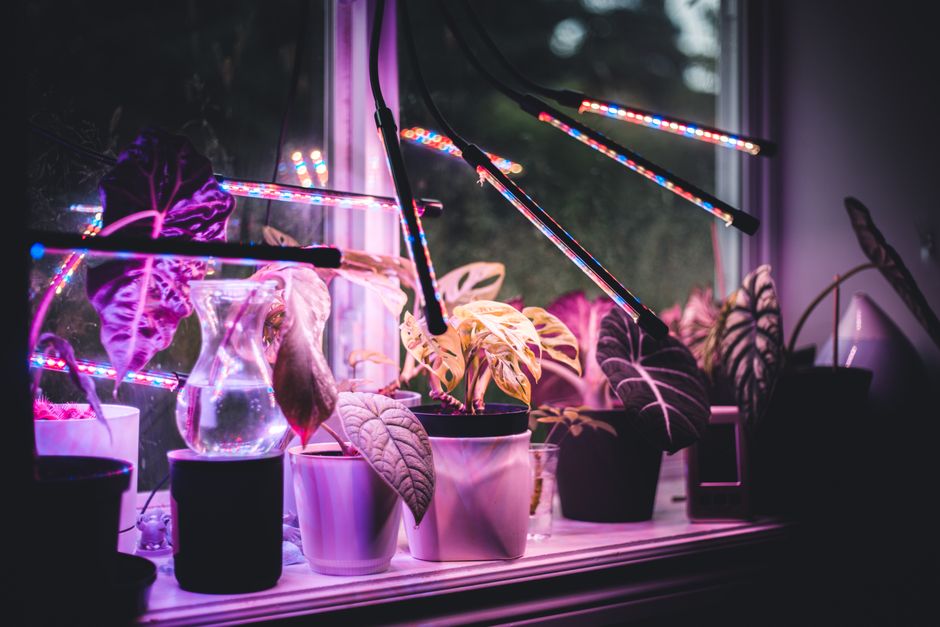
Environmental factors such as light and temperature also play a significant role during rooting. Bright, indirect light is generally favorable; direct sunlight can cause leaves to dry out too rapidly or become scorched. A location near a window with filtered light or under a grow light set to low intensity can provide consistent illumination. Temperatures between 65 and 75 degrees Fahrenheit (18–24 degrees Celsius) are typical for many succulent propagation setups, though some species tolerate slightly cooler or warmer conditions.
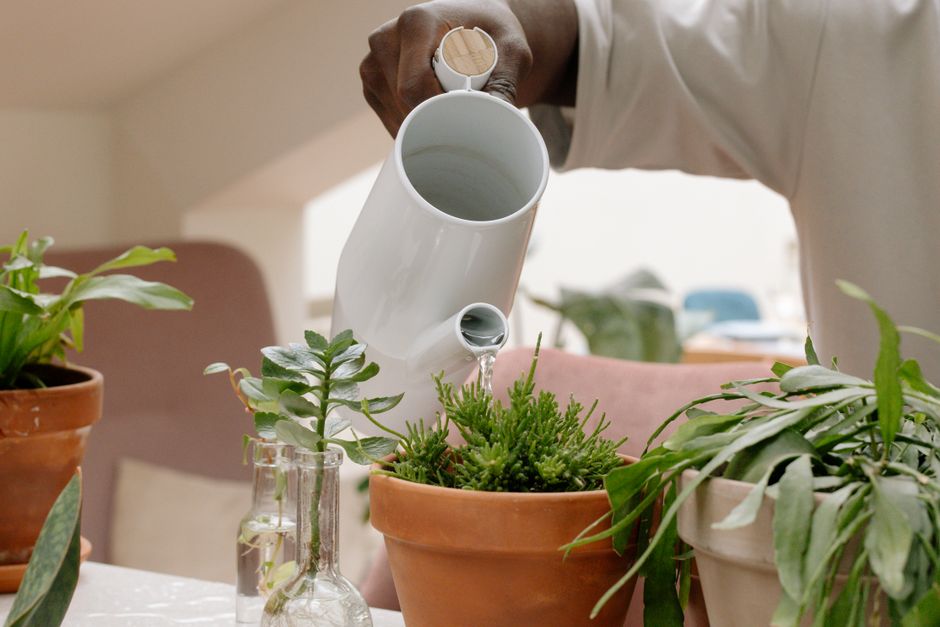
Moisture management during this stage requires careful attention. The medium should be kept lightly moist, but not wet. Overwatering can lead to fungal issues or rot, while underwatering may delay root development. One common practice is to mist the surface lightly every few days or to water sparingly around the leaves, avoiding direct contact with the leaf bodies. Monitoring the leaves for any signs of discoloration or softness can help adjust moisture levels promptly.
Observing Root and Shoot Development
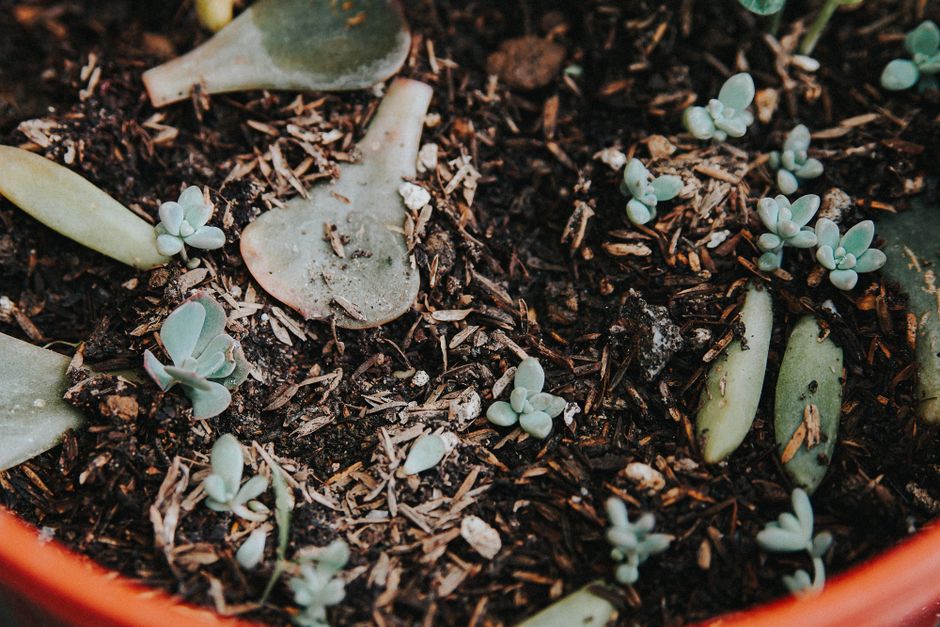
After several weeks, roots often begin to emerge from the callused end of the leaf. These roots may appear as fine white or pinkish threads that gradually grow into the medium. Following root formation, tiny leaves or a small rosette may start to develop at the base of the original leaf. The timing of this process varies widely among species; some leaves show signs of growth within two weeks, while others may take a month or longer.
During this period, the original leaf acts as a nutrient reservoir. It slowly shrivels and may eventually dry out completely as the new plant draws energy from it. This natural progression is expected and does not usually require intervention. However, if the original leaf becomes mushy or discolored before the new plant has established roots, it may indicate excessive moisture or infection. In such cases, removing the affected leaf and discarding it can help protect the developing plant.
Once the new plant has several roots and a few small leaves, it can be considered a young succulent. At this stage, it is still dependent on the original leaf for some nutrients, but it is beginning to photosynthesize on its own. The young plant can remain in the same container until it reaches a size suitable for transplanting, which typically occurs when the rosette is about an inch (2.5 centimeters) in diameter.
Transplanting Young Succulents
When the new plants have developed a root system and a visible rosette, they can be moved to individual pots or a more permanent growing area. The transplanting process involves gently separating the young plant from the original leaf, which by then may be almost completely dried. Using a small tool or fingers, the base of the new plant can be lifted from the medium. Care should be taken not to damage the fragile roots.
A pot with drainage holes is typically used for individual potting. The container should be filled with a succulent or cactus mix, which provides adequate drainage. The young plant is placed on the surface of the soil, with roots gently spread out. A light layer of soil can be added around the base to stabilize the plant, but the rosette should remain above the soil line to prevent moisture from accumulating on the leaves.
After transplanting, the young succulent may benefit from a period of adjustment. Watering should be postponed for a few days to allow any minor root damage to heal. After that, a regular watering schedule can be introduced, keeping the soil moderately moist but allowing it to dry between waterings. Over time, the plant will adapt to its new container and continue growing.
Ongoing Care for Propagated Succulents
Young succulents propagated from leaves generally require similar care to mature plants, though they may be slightly more sensitive to environmental stress. Bright, indirect light remains important for compact growth. Direct sunlight, especially during the hottest part of the day, can cause leaf burn, so gradual acclimatization is often recommended if moving plants to a sunnier location.
Watering frequency depends on the specific species, pot size, and environmental conditions. A common approach is to water when the top inch of soil feels dry to the touch. During the growing season, which for many succulents occurs in spring and fall, water may be needed more frequently. In winter, when growth slows, watering can be reduced. Observing the plant’s appearance provides clues: leaves that become wrinkled or soft often indicate a need for water, while leaves that appear translucent or mushy suggest overwatering.
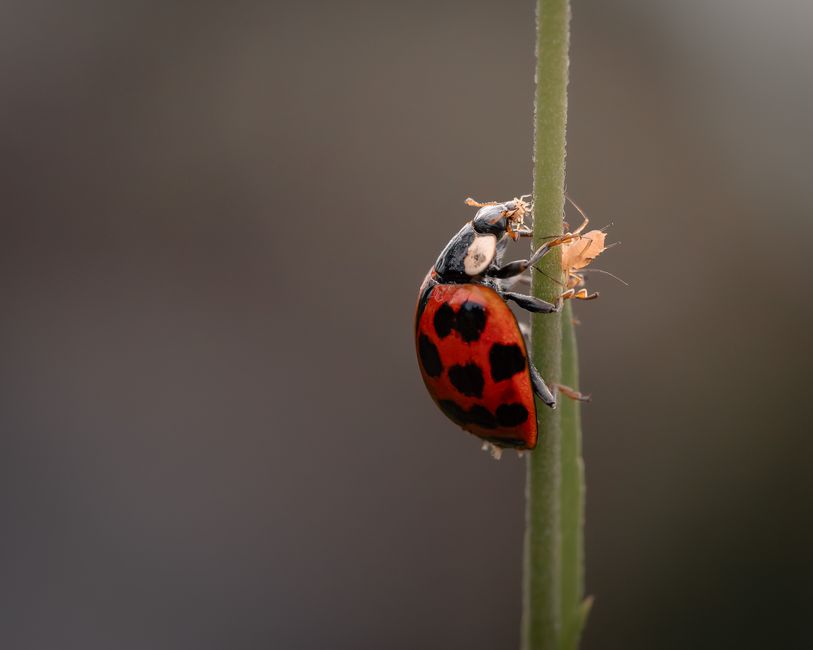
Regular inspection for pests such as mealybugs or aphids can help maintain plant health. If pests are detected, isolating the affected plant and treating it with appropriate methods can prevent spread. Neem oil or insecticidal soap are sometimes used, but their application should follow manufacturer instructions. Additionally, removing dried or dead leaves from the base of the plant reduces hiding places for pests and improves air circulation.
As the succulent grows, occasional repotting may become necessary. When roots outgrow the container or the plant becomes top-heavy, moving it to a slightly larger pot can support continued development. The same well-draining soil mix used for initial planting is generally suitable for repotting. With consistent attention to light, water, and growing medium, propagated succulents can thrive and eventually produce leaves of their own, continuing the cycle of propagation.