Choosing the Right Lighting for Your Indoor Garden
Light is one of the most important factors for indoor plant health, yet it is often misunderstood. While water and soil receive frequent attention, the quality, duration, and intensity of light directly influence how plants photosynthesize and grow. Each plant species has evolved under specific light conditions, and replicating those conditions indoors requires careful observation and adjustment.
Many indoor gardeners begin by placing a plant near a window and hoping for the best, but this approach can lead to leggy growth, leaf burn, or stagnation. Understanding basic light concepts—such as foot-candles, lux, and the difference between direct and indirect light—provides a foundation for making informed decisions. This article explores the general categories of light requirements for common houseplants and discusses how to assess and modify lighting in different indoor environments.
It is worth noting that no single lighting solution works for every plant. Factors like window orientation, seasonal changes, and nearby obstructions all affect the light a plant receives. By learning to read a plant’s signals and adjusting light exposure gradually, gardeners can create conditions that support steady, healthy development.
Understanding Light Measurements and Plant Needs
Light for indoor plants is typically described in terms of intensity, duration, and quality. Intensity refers to how bright the light is at the plant’s location, often measured in foot-candles or lux. While these units are helpful for human perception, plants respond more directly to photosynthetically active radiation (PAR), measured in micromoles per square meter per second (µmol/m²/s). However, most home gardeners rely on simpler methods—such as observing shadow sharpness—to gauge light levels.
Duration, or photoperiod, is the number of hours a plant receives light each day. Most houseplants require 12 to 16 hours of light for active growth, though some may tolerate shorter periods during rest phases. Light quality refers to the spectrum; plants primarily use red and blue wavelengths for photosynthesis and photomorphogenesis. Full-spectrum light sources, including natural sunlight and quality grow lights, provide a balanced range that supports various plant processes.
It is important to note that light needs are not static. A plant that thrives in bright indirect light during spring may struggle if moved to the same spot in winter when the sun’s angle changes. Similarly, a plant placed too close to a south-facing window may develop leaf scorch during summer afternoons. Observing leaf color, stem elongation, and overall growth pattern helps determine whether light conditions are appropriate.
Low-Light Plants and Their Adaptations
Certain houseplants have evolved to survive under dense forest canopies where little direct sunlight reaches the ground. These species typically have broad, dark green leaves that capture light efficiently. Examples include snake plants (Sansevieria), ZZ plants (Zamioculcas), pothos (Epipremnum aureum), and some ferns. They can tolerate lower light conditions, often near north-facing windows or in rooms with only ambient artificial light.
Low-light plants generally require indirect light with intensities ranging from 50 to 250 foot-candles. They may still benefit from occasional exposure to brighter conditions, but prolonged direct sun can cause leaf bleaching or burn. It is a common misconception that such plants need no light at all; they simply have lower minimum thresholds. Without adequate light, they may become leggy, lose variegation, or stop producing new leaves.
When placing a low-light plant, consider the distance from the window. A spot more than six feet away from a north-facing window may still provide enough light for these species, but further distances reduce intensity significantly. Artificial lighting, such as a standard fluorescent or LED bulb placed within a few feet, can supplement natural light if needed. Regular rotation of the plant ensures even growth on all sides.
Medium-Light Plants and Their Preferences
Many popular houseplants fall into the medium-light category, requiring bright but indirect light. This group includes peace lilies (Spathiphyllum), spider plants (Chlorophytum comosum), philodendrons, and many dracaenas. These plants thrive in light intensities around 250 to 1,000 foot-candles, which is typical of an east-facing window or a spot a few feet from an unobstructed south or west window.
Medium-light plants often display optimal growth when they receive a few hours of gentle morning sun and shade for the rest of the day. Direct afternoon sun can be too harsh, leading to leaf curl or brown tips. Curtains or sheer blinds can help diffuse intense sunlight while still allowing sufficient brightness. It is also worth remembering that light decreases rapidly with distance—moving a plant just a few feet further from a window can reduce available light by more than half.
Gardeners may notice that medium-light plants lean toward the light source. This phototropism is a natural response, but rotating the plant every week or two encourages more symmetrical growth. If leaves become pale or smaller than expected, the plant may be receiving too little light. Conversely, if leaf edges appear scorched or crispy, the light may be too intense or the duration too long.
Bright-Light and Direct Sun Plants
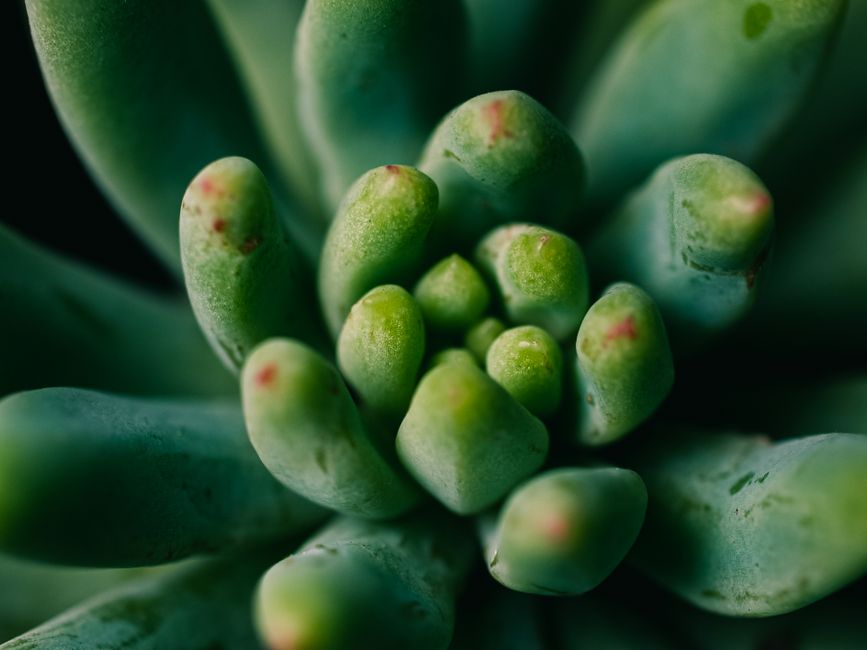
Cacti, succulents, and many flowering houseplants such as jasmine, bird of paradise, and certain orchids require high light conditions. These plants are adapted to open, sun-exposed environments and typically need at least 1,000 foot-candles or more, often including several hours of direct sun. Without sufficient light, they become etiolated—stretching toward the light source with elongated stems and widely spaced leaves.
A south-facing window in the Northern Hemisphere usually provides the brightest light indoors, followed by west-facing windows. However, even a south window may not deliver enough intensity during winter months or in regions with frequent overcast skies. In such cases, supplemental lighting becomes especially relevant. Many indoor gardeners use dedicated grow lights that emit high PAR values to support plants with demanding light requirements.
Bright-light plants can be placed very close to windows, sometimes within a few inches of the glass. Acclimation is important when moving a plant from lower light to bright conditions; a sudden change can cause sunburn. Gradual exposure over one to two weeks allows the plant to adjust. For succulents, signs of adequate light include compact rosettes and vibrant colors, while insufficient light leads to green, stretched growth.
Artificial Lighting Options and Considerations
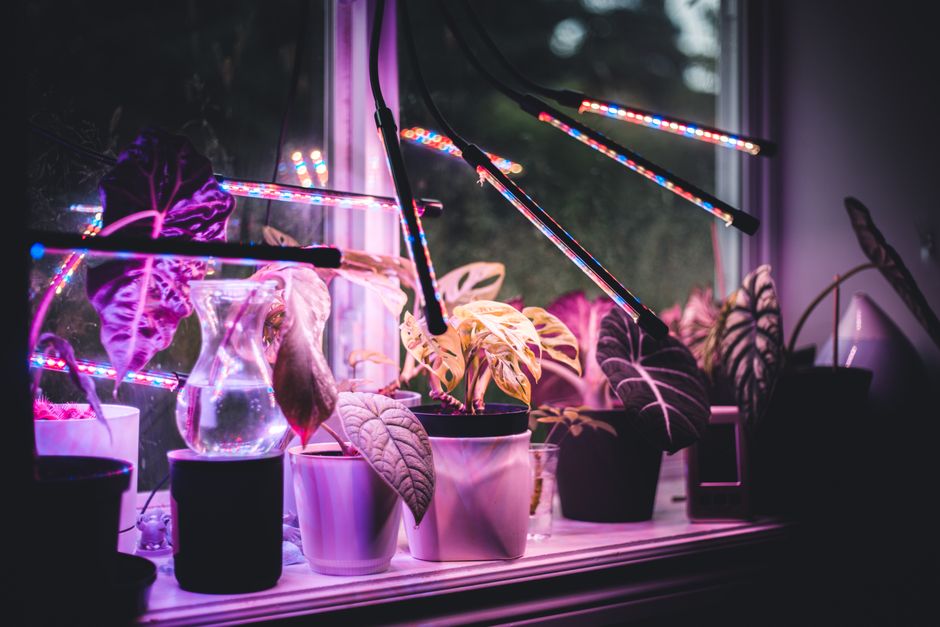
When natural light is insufficient or inconsistent, artificial lighting offers a practical solution. Various types of grow lights are available, including fluorescent, LED, and high-intensity discharge (HID) fixtures. LED lights have become popular due to their energy efficiency, low heat output, and ability to produce specific spectra. Full-spectrum LEDs mimic sunlight and support both vegetative growth and flowering.
Placement of artificial lights matters significantly. Light intensity decreases with the square of the distance, so a light source positioned two feet away delivers only one-quarter the intensity of one placed one foot away. For low-light plants, a standard LED bulb in a desk lamp can be sufficient if placed within six to twelve inches. For medium or bright-light plants, multiple lights or higher-output fixtures may be necessary, and the lights should be kept closer—often between six and eighteen inches from the foliage.
Duration of artificial lighting should mimic natural day length. A timer is a useful tool for maintaining consistency, as irregular light cycles can disrupt plant metabolism. Generally, 12 to 16 hours of light per day is adequate for most houseplants, though some succulents and cacti may thrive with slightly longer periods. It is also advisable to provide a dark period, as plants require darkness for respiration and certain developmental processes. Observing how plants respond to artificial lighting over several weeks helps determine whether adjustments in intensity, spectrum, or duration are needed.
Seasonal Adjustments and Ongoing Observation
Indoor light conditions change with the seasons, not only in duration but also in angle and intensity. In winter, the sun is lower in the sky and days are shorter, often reducing light levels by 50% or more compared to summer. Plants that thrived on a windowsill in July may show signs of stress by December. Moving plants closer to windows or supplementing with artificial lighting during these months can help maintain steady growth.
Likewise, summer can bring intense midday sun that may be too harsh for plants that previously enjoyed the same spot in spring. Using sheer curtains or moving plants a few feet back from the window can prevent leaf damage. Some gardeners rotate plants between windows or between indoor and protected outdoor areas during warm months, but any change in light exposure should be gradual to avoid shock.
Ultimately, the most reliable guide to a plant’s light needs is the plant itself. Yellowing leaves, elongated stems, loss of variegation, and stunted growth are common indicators that light conditions may need adjustment. By regularly inspecting plants and maintaining a flexible approach, indoor gardeners can create a lighting environment that supports long-term health and vitality without relying on rigid formulas or guarantees.