Natural Pest Control Solutions for Garden Plants
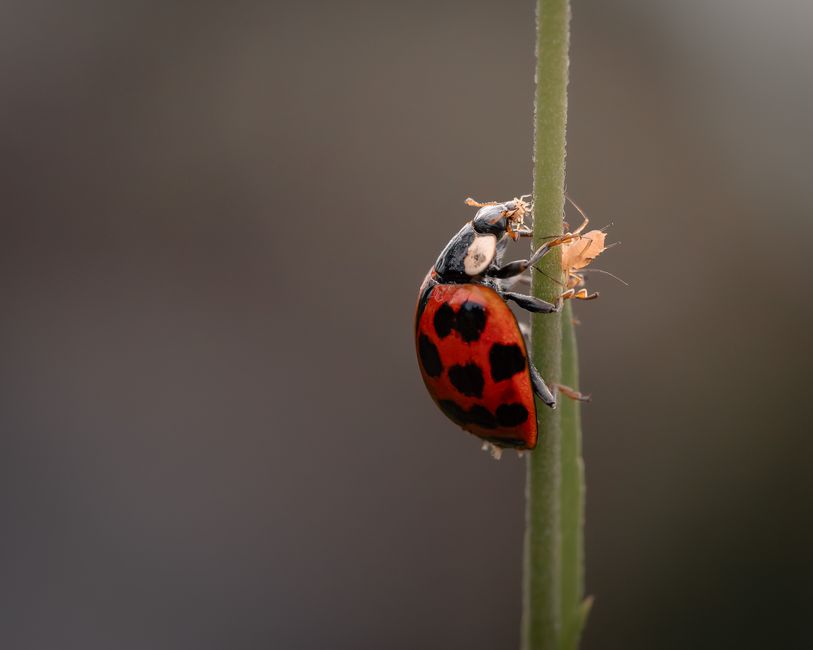
Garden plants often attract a variety of pests that can hinder their growth and vitality. Among the most common are aphids and spider mites, which tend to appear in large numbers and cause visible damage. Many gardeners are looking for ways to address these challenges without relying on synthetic chemicals. Organic pest control methods offer a range of approaches that focus on prevention, monitoring, and targeted interventions. Understanding the habits of these pests and the principles behind natural management can help maintain a balanced garden ecosystem.
Aphids are small, soft-bodied insects that typically cluster on tender new growth, stems, and the undersides of leaves. They feed by sucking plant sap, which can lead to curled leaves, stunted growth, and a sticky residue known as honeydew. Spider mites, on the other hand, are tiny arachnids that spin fine webs on foliage and cause stippling or yellowing of leaves. Both pests reproduce quickly under warm and dry conditions, making early detection important. Natural control methods aim to reduce their populations while minimizing disruption to beneficial organisms present in the garden.
This article explores several organic strategies that can be incorporated into a regular gardening routine. From cultural practices to biological controls and natural remedies, these methods are designed to support plant health without introducing harsh substances. The effectiveness of these approaches often depends on factors such as local climate, plant types, and the timing of interventions. By taking a proactive and informed stance, gardeners can create conditions that are less favorable for pest outbreaks while encouraging a diverse and resilient garden environment.
Understanding Common Garden Pests
Recognizing the signs of pest activity is a foundational step in natural pest control. Aphids are frequently found in colonies and can vary in color from green to black, depending on the species. They are often accompanied by ants, which are attracted to the honeydew they produce. Spider mites are more difficult to see without close inspection; a common indicator is the presence of fine silk webbing on leaf surfaces, particularly along the veins. Other common pests include whiteflies, which fly up when disturbed, and scale insects, which appear as small bumps on stems and leaves.
Each pest has a preferred habitat and feeding pattern that influences the type of damage observed. For instance, aphids tend to cause leaf curling and distortion, while spider mites create a speckled or bronzed appearance. Understanding these distinctions helps in selecting the most appropriate natural remedy. Regular monitoring of plants, especially the undersides of leaves, allows for early intervention before populations become overwhelming. Keeping a garden journal with observations about pest presence and weather conditions can provide valuable insights over time.
Principles of Organic Pest Management
Organic pest control is rooted in prevention and ecological balance rather than reactive treatments. Key principles include maintaining healthy soil, promoting biodiversity, and using physical barriers when needed. Healthy plants are naturally more resistant to pest attacks because they can allocate resources toward defense mechanisms. Soil enriched with organic matter supports robust root systems and beneficial microbial life, which in turn strengthens plant resilience.
Diversity in plantings also plays a crucial role. Monocultures often attract pest outbreaks, whereas a mix of species can confuse pests and provide habitat for natural enemies. Incorporating flowers that bloom at different times ensures a continuous supply of nectar for predatory insects. Physical barriers such as row covers or fine mesh netting can exclude pests from vulnerable crops, especially during early growth stages. These methods do not guarantee complete protection, but they create conditions that reduce the likelihood of severe infestations.
Natural Remedies and Their Application
Several plant-based and mineral-derived substances can be used to manage pests in a garden setting. Neem oil, extracted from the seeds of the neem tree, works by disrupting the feeding and reproductive cycles of many insects, including aphids and spider mites. It is typically diluted with water and applied as a foliar spray, covering both the upper and lower leaf surfaces. Applications should be repeated every seven to fourteen days, or after heavy rain, for continued effect.
Insecticidal soaps, made from potassium salts of fatty acids, are another option. They act by breaking down the outer protective layer of soft-bodied insects, causing dehydration. These soaps are most effective when applied directly to pests and need to be used with care to avoid harming beneficial insects. Diatomaceous earth, a fine powder derived from fossilized algae, can be dusted onto leaves or soil. It works by abrading the exoskeletons of crawling insects, leading to moisture loss. Each of these remedies has specific usage guidelines, and their efficacy can vary depending on environmental conditions and pest species.
Encouraging Beneficial Insects
Attracting natural predators is one of the most sustainable long-term strategies for pest control. Ladybugs, lacewings, and parasitic wasps are among the beneficial insects that feed on aphids, spider mites, and other small pests. Creating a habitat that supports these organisms involves planting nectar-rich flowers such as dill, fennel, yarrow, and alyssum. These plants provide food for adult predators, while their larvae consume large numbers of pests.
Providing shelter and water sources further enhances the likelihood that beneficial insects will remain in the garden. Shallow dishes with pebbles and water, or simply maintaining moist areas, can help. It is also important to avoid broad-spectrum insecticides, even those labeled organic, as they can eliminate both pests and beneficial species. Over time, a balanced population of predators can keep pest numbers in check without requiring direct intervention. This approach emphasizes the role of ecological relationships in maintaining garden health.
Cultural Practices for Long-Term Garden Health
Cultural practices, such as crop rotation and companion planting, contribute to a garden environment that is less conducive to pest outbreaks. Rotating plant families from one season to the next disrupts the life cycles of soil-borne pests and diseases. Companion planting involves placing certain plants near one another to repel pests or attract beneficial insects. For example, marigolds are often planted near vegetables because their scent can discourage aphids, while basil is thought to reduce the presence of thrips and flies.
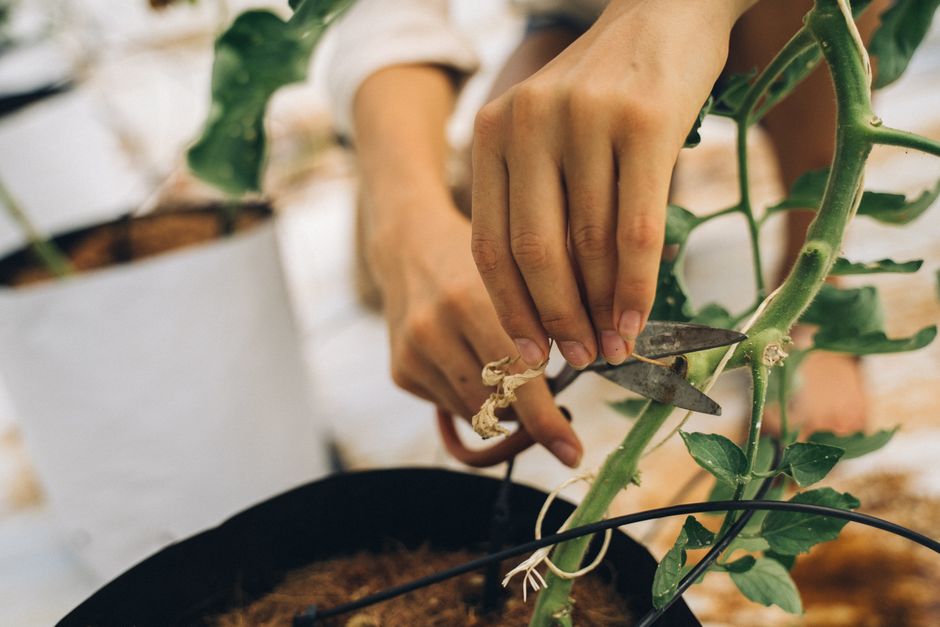
Proper watering and pruning also play a role. Overhead watering can create conditions that favor fungal diseases and spider mites, while deep, infrequent watering encourages strong root growth. Removing damaged or diseased foliage reduces hiding places for pests and improves air circulation. Regularly cleaning up garden debris at the end of the season eliminates overwintering sites. These practices, when combined with regular observation, form the basis of an integrated approach that prioritizes plant health and environmental compatibility.