A Beginner’s Guide to Pruning Houseplants
Pruning is one of those gardening tasks that often feels intimidating to beginners, yet it plays a fundamental role in maintaining the health and shape of indoor plants. When approached with a clear understanding of plant biology and a gentle hand, pruning becomes a routine that can support long-term vigor and aesthetic appeal. Rather than being a corrective measure reserved for damaged foliage, regular pruning is a proactive way to guide growth, improve air circulation, and encourage denser, more balanced development.
Many indoor plants respond positively to thoughtful trimming because it mimics natural processes such as wind damage or grazing. In a home environment, where light and space are limited, pruning helps a plant allocate resources more efficiently. It is important to remember that each cut influences future growth patterns, so learning the basic principles of where and when to cut can make a significant difference in how a plant develops over time.
This guide covers the essential aspects of pruning houseplants, from understanding the underlying reasons for trimming to selecting appropriate tools and applying proper techniques. The focus is on providing information that allows plant owners to make their own informed decisions based on the specific needs of their plants, rather than promising guaranteed outcomes.
Understanding the Purpose of Pruning
Pruning serves several functions, all of which are related to redirecting a plant’s energy. One common reason is the removal of dead, dying, or diseased leaves and stems. Such material not only looks unsightly but can also become a pathway for pests or fungal infections. By eliminating these parts, the plant can concentrate its resources on healthy tissue.
Another purpose is shaping. Over time, some houseplants become leggy, with long stems and sparse foliage. Trimming back these stems can encourage the growth of side shoots, leading to a fuller appearance. This is particularly useful for plants like pothos, philodendrons, and certain ficus varieties. Additionally, pruning can improve airflow within the canopy, which helps reduce the risk of mold or mildew in humid indoor conditions.
It is worth noting that pruning does not automatically guarantee a bushier plant; the response depends on the plant species, its overall health, and the season. However, when performed at the right time and in the right places, it can create favorable conditions for branching. Understanding these purposes helps a plant owner decide when pruning is truly beneficial versus when it might be unnecessary or even stressful for the plant.
Selecting and Preparing the Right Tools
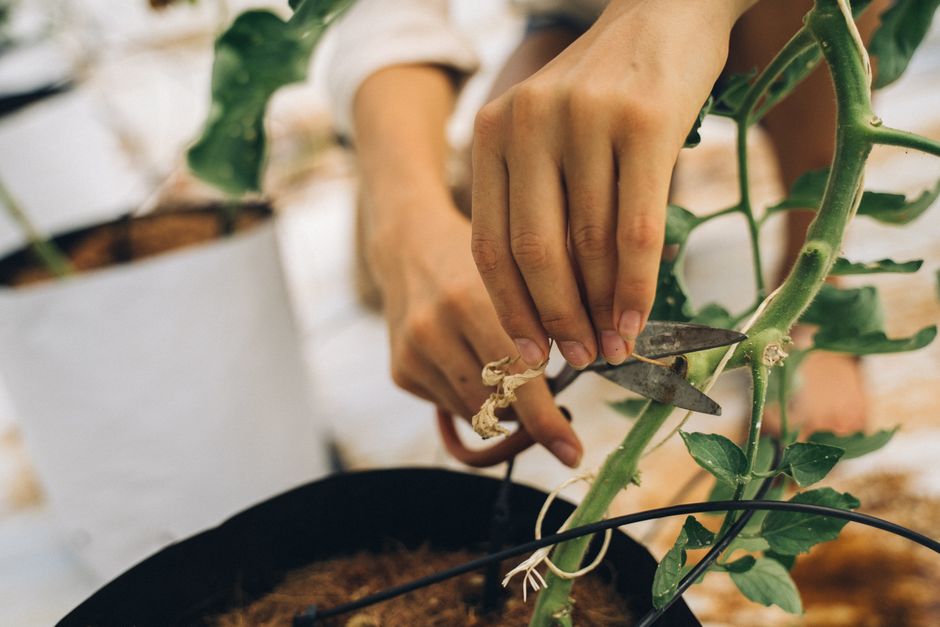
Using clean, sharp tools is essential for making precise cuts that heal quickly. Dull blades can crush stems, leading to ragged wounds that take longer to close and may invite infections. For most houseplants, a pair of sharp pruning shears or scissors works well. Bypass pruners are recommended over anvil types because they create a cleaner cut.
Before starting, it is good practice to clean the blades with rubbing alcohol or a diluted bleach solution. This step is especially important when moving between different plants, as it reduces the chance of transmitting pathogens. Some plant owners also wipe blades with a damp cloth between cuts to remove sap residue, which can attract dust and pests.
While specialized tools are available from brands like GreenLeaf, many common household scissors can suffice if they are sharp and sanitized. The key is to ensure the tool is appropriate for the thickness of the stem being cut. For thin, herbaceous stems, fine-point scissors are ideal; for thicker, woody stems, a pair of secateurs provides better leverage and control.
Where to Make the Cut
The location of a cut largely determines how the plant will respond. Most houseplants have nodes, which are small bumps or joints along the stem where leaves, buds, or roots can emerge. Cutting just above a node — typically about a quarter inch above it — encourages new growth from that node or from lower buds. The angle of the cut also matters: a slight diagonal cut allows water to run off, reducing the risk of rot.
When removing a leaf or stem, it is important to identify the node correctly. For plants with alternating leaves, the node is directly above the leaf where the leaf stem (petiole) attaches to the main stem. For plants with opposite leaves, there are two nodes at the same level. Cutting above a node that faces outward (away from the center of the plant) often encourages growth in that direction, which can help shape the plant’s silhouette.
For dead or diseased material, cut back to healthy tissue. If a stem is completely dead, remove it entirely at the base. Some plants, such as succulents, require special care because their cut surfaces can be prone to rot. In those cases, allowing the cut to callous over before watering may help. Observing the plant’s natural growth habit is always a useful guide before making any cut.
Timing: When to Prune
The timing of pruning influences how quickly and strongly a plant responds. Most indoor plants experience active growth during spring and summer, when longer days and warmer temperatures provide optimal conditions for recovery. Pruning during this period allows the plant to channel nutrients into new shoots before the slower winter months arrive.
Some plants, however, have different growth cycles. For example, flowering houseplants like peace lilies or African violets may benefit from light pruning immediately after their bloom period, rather than in early spring. Similarly, plants that go dormant in winter, such as certain ferns or caladiums, should be pruned only during their active phase. A general rule is to avoid heavy pruning during fall and winter, when plants are conserving energy and may not heal as swiftly.
It is also worth considering the plant’s recent history. If a plant has recently been repotted or moved to a new location, it may already be adjusting to stress. In such cases, delaying pruning until the plant appears settled can be a prudent approach. Observation and patience play a larger role than following a fixed calendar, because each indoor environment creates its own microclimate that affects growth patterns.
Aftercare and Monitoring
After pruning, a plant may need time to redirect its energy. It is generally advisable to avoid overwatering immediately after cutting, as the reduced leaf mass may lower the plant’s water requirements. Similarly, fertilizing right after pruning is not always recommended because the plant is focusing on healing rather than taking up nutrients. Waiting a couple of weeks before resuming a regular feeding schedule can reduce the risk of root burn.
Monitoring the plant over the following weeks helps identify any unexpected reactions. New growth usually appears within two to four weeks if conditions are favorable. If a cut stem shows signs of browning or shriveling, it may indicate that the cut was made below a node or that the plant is under other stress. In such cases, adjusting watering or light levels might support recovery. Pruning wounds typically heal naturally without the need for sealants, and applying wax or paste is usually unnecessary for indoor plants.
Ultimately, pruning is a continuous learning process. Each plant responds differently, and what works for one may not work for another. By keeping a log of pruning dates, cut locations, and subsequent growth, a plant owner can develop a personalized approach over time. The goal is not to force a plant into a specific shape but to work with its natural tendencies in a way that supports its long-term health.